

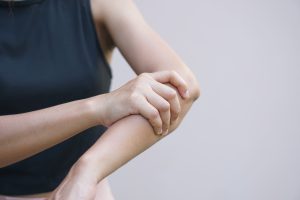
I don’t want to plant the seed in my client’s mind that the pain will get worse before it gets better, after a massage. Most of the time, this isn’t the case, especially when people have been receiving bodywork for a while. Yet I often mention to new clients to allow their therapy 2–3 days to ‘land.’ This applies to any type of bodywork, whether it be chiropractic, massage, acupuncture, craniosacral therapy, etc.
It is not my intention for my client’s symptoms to flare up, but this can be part of the healing process. Participants may experience aftereffects from the soft-tissue release even when they don’t expect it. Like when the work wasn’t even particularly painful during the treatment. Even in these cases, the two-day rule may apply.
Most of the time, the symptoms aren’t best described as worse, but there’s certainly a heightened awareness of a particular tension pattern once the touch highlights how tight or tired your muscles truly are.
Understanding this should help recipients of therapeutic massage feel more relaxed about their recovery. Not unlike fitness, sports, or other physically strenuous activities, or even cleaning up your diet, when therapeutic change is IN PROCESS, it can sometimes be temporarily uncomfortable.
Let’s talk about what you may experience and why.
Post-Treatment Effects May Include:
- Waking up the next day with a bruised-like sensation lasting for 2-3 days afterward
- Feeling achy. similar to having an intense workout
- A heightened awareness of bodily fatigue or muscle weakness
- Sensations created by increased fluid flow (blood, lymph, extracellular, cerebral spinal fluid, etc.)
- Twitching or small spasms as the nervous system discharges and unwinds, and fresh fluids sweep through, nourishing the cells
- Feeling mildly unsettled, as your bones are adjusting to being in a newly held position
- Emotional sensitivity or having memories resurface
It is helpful to know what to do in this case. In part II (coming soon), I will offer 10 things you can do at home to minimize soreness after your session and support your body’s healing process. But next, let’s consider some reasons why: even though massage supports repair, it’s not the only thing needed and often requires a holistic approach to healing what ails you.
What are some of the reasons someone might experience soreness or discomfort, in varying degrees, for the first few days after their massage?
- Minor bruising: caused by adhered fibers being ‘released’ between muscles and fascia (although, rarely does bodywork cause visible marks, except cupping)
- Tissue Ischemia: chronic restrictions in the circulatory and lymphatic systems, leading to oxygen deprivation and a lack of necessary nutrients to the area
- Acute Injury: soreness prior to session – swelling, inflammation, bruising, nerve entrapment, and/or edema
- Neurological Sensitivity: systemic inflammation, increased blood flow around nerve compression or irritation,
- Dehydration: parched flesh
- Allergic Response: histamine release
- Side Effects of Medication: such as those that make you prone to bruising
- Mineral Deficiency: magnesium and other nutrients are necessary for muscle and nerve cells to function properly
- Systemic Toxicity/Inflammation: tissues too acidic, myco-toxins, sedentary lifestyle, infection, environmental and dietary toxins, etc.
- Metabolic Waste: stirred up within the tissues
- pH imbalance – interstitial fluids that are too acidic, sugar levels too high, mineral deficiency, causing the blood to become sticky, which can lead to pain from having too much fibrin in the circulatory system
- Soft Tissue Alterations: changes in tone, posture, gaits, and range of motion can also feel awkward
What if you were already sore (injured) when you arrive?
Acute Injuries – Depending on the type of injury, we usually don’t work directly on a fresh one. Gently, maybe, but usually more indirectly, around the site. Opening the surrounding tissues by breaking up fascial adhesions that constrict fluid flow, and addressing secondary issues such as splinting, overcompensation on the opposite side, and restricted blood and lymph flow.
Chronic Issues – the process of healing old injuries is complex. Chronic issues can usually withstand more direct pressure but also have had more time to etch themselves into your bones, nervous system, and soft tissues; therefore, they require more time and greater precision to sculpt a new pattern in your posture and gait.
Your body will continue to release and repair, and discomfort is generally greater at the beginning of your rehabilitation. Post-session soreness isn’t uncommon for the first 2-3 days after, particularly in areas massaged for the first time and especially in areas with issues. Tenderness tends to subside with each successive session.
